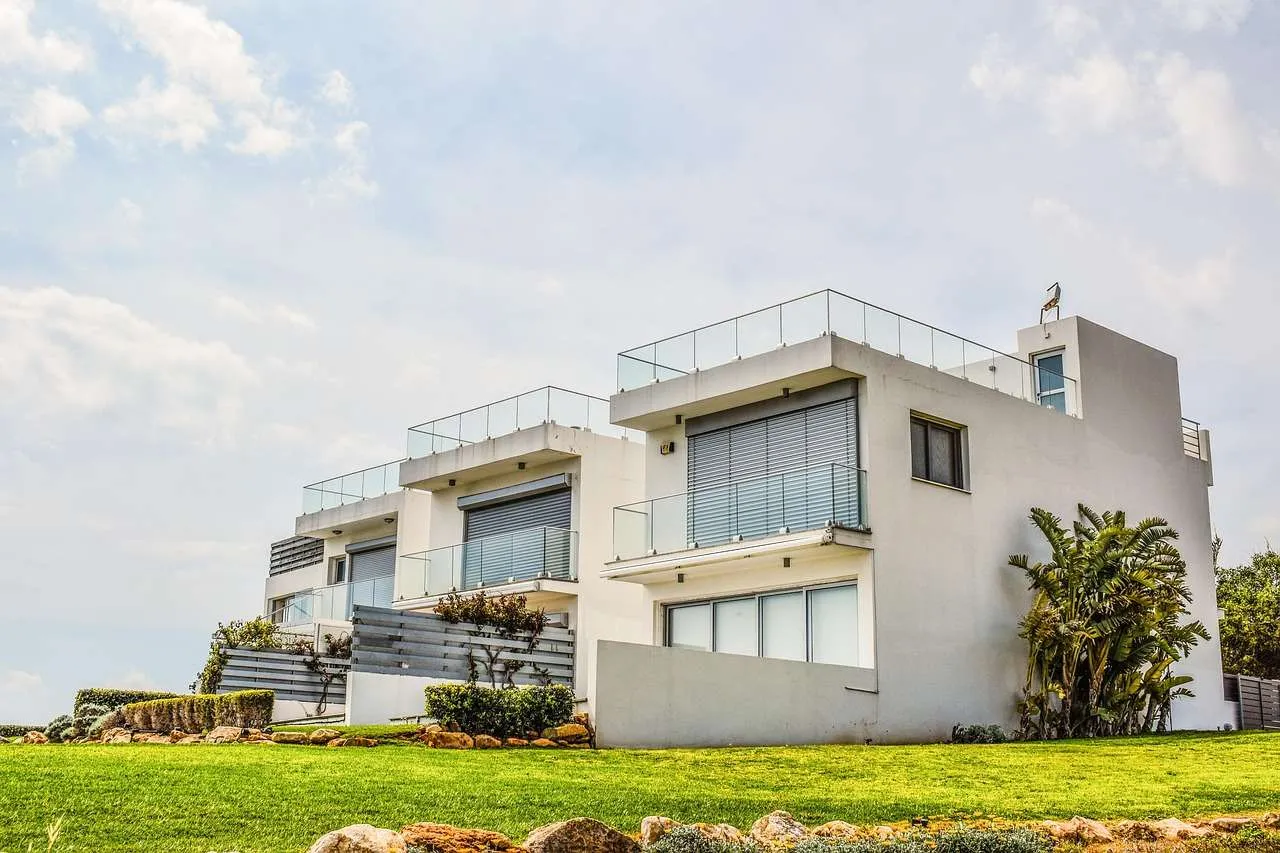
EPDM roofing is a widely chosen single-ply membrane designed for flat and low-slope roofs. EPDM, which stands for ethylene propylene diene monomer, is a durable synthetic rubber known for its elasticity, cold-weather performance, and long life. As a seasoned roofing resource, this guide explains how EPDM roofing works, when to choose it, and how to care for it to maximize reliability and value.
What is EPDM Roofing?
EPDM roofing uses a flexible rubber membrane that comes in two common colors: black and white. Black EPDM excels in cold climates due to its heat absorption, while white or light-colored EPDM membranes offer better reflectivity and can reduce cooling loads in hot climates. Typical thicknesses range from about 45 mil (1.1 mm) to 60 mil (1.5 mm), with thicker membranes offering greater puncture resistance and longer service life. EPDM is installed on flat and low-slope roofs using several methods, including fully adhered, mechanically fastened, or ballasted installations. A professional roofer will tailor the method to the roof deck, climate, and roof penetrations.
Benefits of EPDM Roofing
- Durability and long service life: Properly installed EPDM roofs can last 30 to 50 years or more with routine maintenance.
- Excellent weather resistance: EPDM handles temperature swings, wind uplift, and ponding water well when properly sealed.
- Low maintenance: Seams and flashings require periodic inspection and occasional patching rather than frequent replacement.
- Flexibility and impact resistance: The rubber membrane tolerates structural movement and minor impacts without cracking.
- Energy considerations: White EPDM membranes reflect more sunlight, reducing cooling loads; black EPDM is often more economical and readily available.
Materials, Installation, and Longevity
Key material factors to consider are thickness, color, and seam technology. Thicker membranes offer improved puncture resistance, while white membranes provide higher solar reflectivity. Seams are typically joined with specialized adhesives and seam tapes or heat-welded in some configurations. Installation methods influence performance: fully adhered systems tend to have strong wind uplift resistance and a flatter surface, while mechanically fastened and ballasted options may lower installation costs or speed up installation in certain projects.
Longevity depends on climate, workmanship, and regular inspection. In regions with severe hail or heavy foot traffic on roofs, thicker membranes and higher-quality flashings are recommended. A reputable contractor will inspect flashings around joints, penetrations, and edges and address any issues promptly to prevent leaks before they start.
EPDM vs Other Flat Roof Systems
Understanding how EPDM compares to alternative flat roof systems helps owners choose wisely. The table below presents typical expectations, recognizing that actual results depend on installation quality, climate, and maintenance.
| Roof Type | Avg Lifespan | Energy Efficiency | Typical Installed Cost | Seams & Repairs |
|---|---|---|---|---|
| EPDM | 30–50+ years | Moderate (White EPDM improves reflectivity) | 4–8 $/ft² | Seams patched; patches effective; long seams |
| TPO | 15–30 years | High (white variants) | 5–9 $/ft² | Heat-welded seams; easy to patch |
| PVC | 20–40 years | Excellent | 6–12 $/ft² | Heat-welded seams; very durable |
| Built-Up Roof (BUR) | 20–60 years | Moderate | 4–9 $/ft² | Multi-layer system; periodic maintenance |
Maintenance, Repairs, and Replacement
Maintenance for EPDM is straightforward. Schedule annual inspections to remove debris, clear drains, and examine flashing and edge details. Look for signs of weathering at seams, punctures, or UV degradation and repair promptly using compatible patch materials. Small punctures can often be repaired with patch kits, while larger damaged sections may require partial replacement of the membrane. In the long term, proactive maintenance reduces the likelihood of costly roof deck damage and extends service life.
Cost Considerations and Choosing a Contractor
EPDM roofs are generally cost-effective for flat and low-slope applications. Installed cost is influenced by membrane thickness, color choice, roof complexity, location, and labor costs. Typical installed ranges are roughly 4–8 dollars per square foot for standard EPDM, with white membranes sometimes slightly higher due to reflectivity features and specialized adhesives. When selecting a contractor, verify licensing, request a portfolio of existing EPDM jobs, check references, and review warranty coverage for both materials and workmanship. A qualified installer will provide a detailed scope, flashings plan, and a written warranty that covers seam integrity and ponding tolerance.
Frequently Asked Questions
Q: Is EPDM suitable for commercial and residential roofs?
A: Yes. EPDM is widely used on commercial flat roofs and on residential extensions with flat or low-slope decks. Its flexibility, durability, and ease of maintenance make it a practical option for many projects.
Q: How do I know if EPDM needs repair?
A: Signs include visible seam separations, punctures, water staining, or recurring leaks around penetrations. A professional inspection can confirm whether patching, a seamed repair, or a partial membrane replacement is required.
Conclusion, EPDM roofing provides a durable, long-lasting seal, simple maintenance, and strong value when installed by a qualified contractor. By understanding material options, installation methods, and proper care, building owners can rely on EPDM membranes to protect flat roofs for decades.